 HOMESNAPPBook a shoot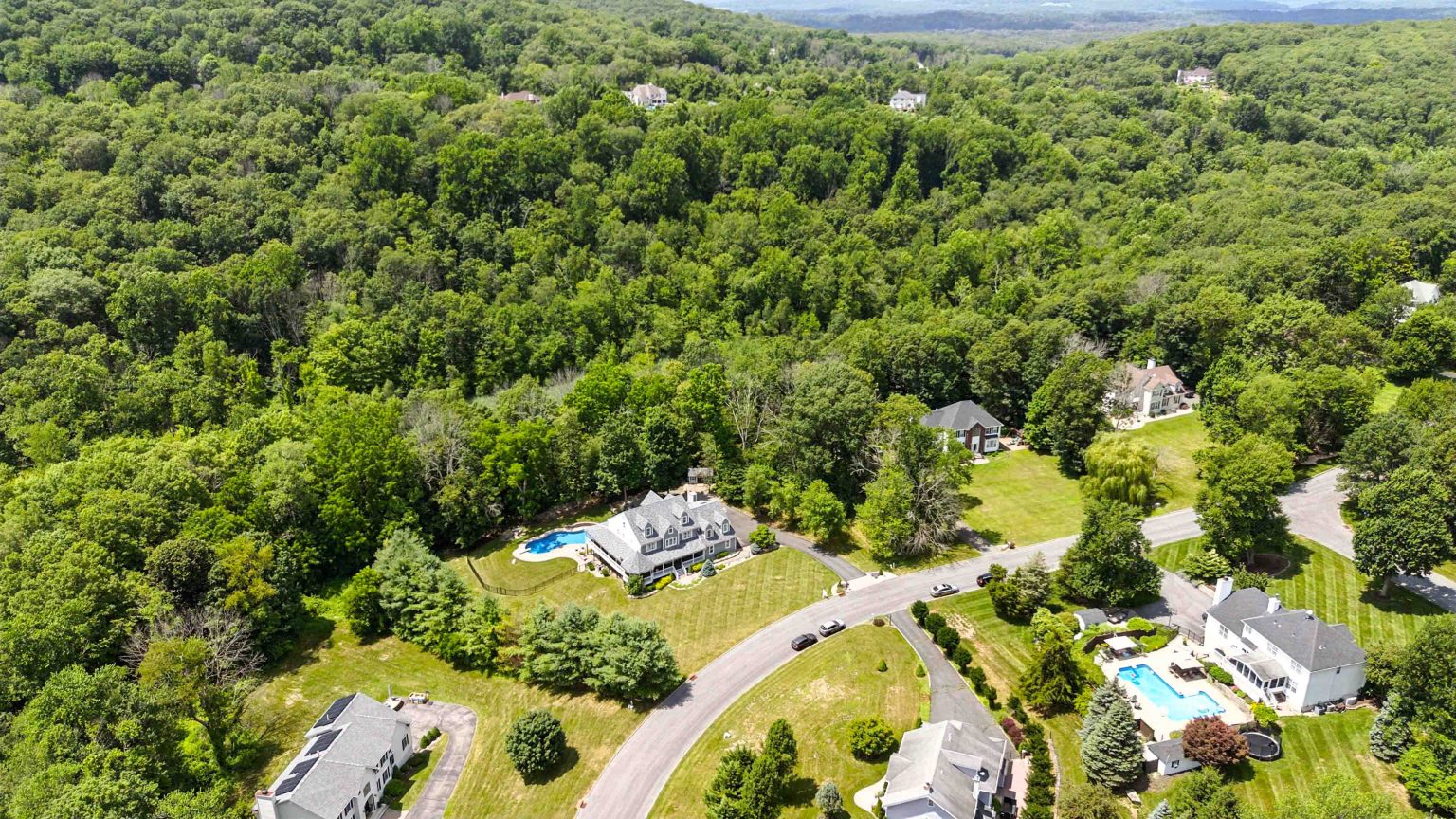
Safe, legal aerial media
Drone Photography Restrictions
Aerial coverage can transform a listing, but every flight depends on legal airspace, safe weather, property permission, and responsible operation.
Schedule a shoot ↗Before you book drone
Five factors
shape every flight.
If drone coverage becomes impossible, we communicate quickly and look for the strongest practical alternative for showing the property.
FAA and airspace
Flights must comply with FAA rules, authorization requirements, restricted airspace, the 400-foot altitude limit, and visual-line-of-sight requirements. HomeSnapp commercial pilots are FAA Part 107 certified.
Weather and visibility
Strong wind, rain, snow, fog, lightning, or poor visibility can make a flight unsafe or illegal. Conditions are assessed at the property, not only from the forecast.
Property and local rules
HOAs, private communities, parks, municipalities, and property managers may add restrictions or require permits. The client is responsible for required location permissions and permit fees.
People and privacy
We do not fly directly over people or operate where neighboring privacy, schools, sensitive locations, or crowd conditions make coverage inappropriate.
Technical limits
Battery life, wireless interference, tall structures, dense trees, access, and safe launch space can limit the angles or flight time available on site.
Ready when the listing is